







 |
SINGAPORE, Jan. 8, 2026 /PRNewswire/ — Citrus and spice flavour pairings, once a mainstay in street food and home cooking, are now influencing menus across quick service restaurants (QSRs) and beverages, responding to consumer demand for bold yet balanced taste experiences, and shaping Kerry food service’s latest citrus and spice campaign.

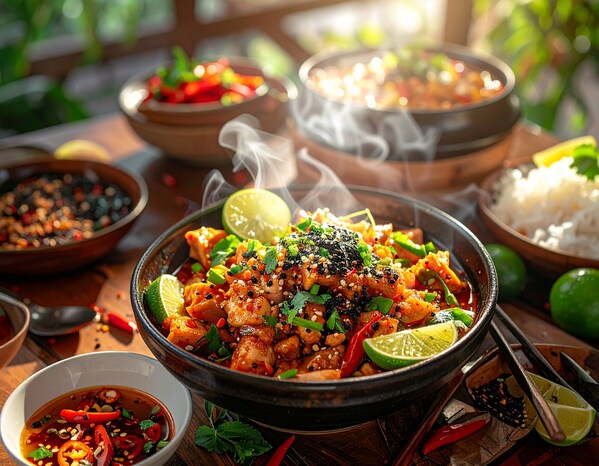
For food service operators, citrus and spice profiles offer exceptional range. Citrus lifts fried or grilled proteins, while spice adds emotional warmth and depth, making the pairing ideal for limited time offers and cross-category menu innovation
Mintel GNPD data (2023–2025) shows a 42% CAGR in spicy-citrus flavour combinations in Southeast Asia, significantly outpacing many other flavour trends. Globally, spicy flavours have grown 22% in new product launches, with chili-lime emerging as a standout across snacks, sauces, and ready-to-eat formats. This momentum is mirrored in market value: the Asia-Pacific ghost pepper salsa market is now worth USD 210 million, growing at 9.1% CAGR through 2033, while products pairing pickled jalapeño with lime and related spicy-citrus profiles are forecast to reach USD 2.13 billion by the same year.
"This data signals how consumers define excitement on the menu," said Angeline Ho, Marketing Lead, Food Service Chains, Southeast Asia, Kerry Group. "Across Asia, diners are gravitating toward flavours that excite but are clean, adventurous yet familiar. Citrus and spice succeed because they deliver contrast: brightness that cuts through richness and heat that energises rather than overwhelms. From a food service perspective, it’s a highly versatile pairing that works across cuisines, formats, and price points."
The appeal of citrus and spice is deeply embedded in Southeast Asian culinary tradition. Thailand’s tom yum and som tum exemplify the balance of lime, chilli, and herbs; Vietnam’s lemon, tamarind, and chilli anchor lighter dishes; Indonesia layers lime, ginger, clove, and chilli into richly aromatic profiles; while the Philippines uses calamansi and chilli to add vibrancy to savoury dishes. Singapore and Malaysia continue to reinterpret sambal and citrus with contemporary ingredients such as gula melaka and black lime salt, blending tradition with modernity.
Award-winning Malaysian chef and restaurateur Yenni Law, co-founder of @meatfeds and recipient of the Le Cordon Bleu Ribbon ASEAN Award 2025, highlights the cultural resonance behind the trend. "In Asia, we share similar spices and herbs, and food is the language that unites us. Together, citrus and spices bring wholeness and harmony to a dish."
For food service operators, citrus and spice profiles offer exceptional range. Citrus lifts fried or grilled proteins, while spice adds emotional warmth and depth, making the pairing ideal for limited time offers and cross-category menu innovation. Popular combinations such as lime and chilli, orange and chilli, and calamansi and chilli are now moving fluidly between food and beverage.
As flavour expectations rise, so too the importance of sourcing and sustainability. With 70% of global consumers preferring brands that demonstrate genuine sustainability commitments, responsibly sourced citrus and spices, along with transparency and traceability, are becoming critical components of menu development.
As Asia Pacific continues to influence global food service trends, citrus and spice stand out as an expression of balance, culture, and innovation, positioning the flavour pairing as a cornerstone of the region’s menu evolution.